
Dynastic Civil War, Institutional Restructuring, and the Polarization of Foreign Policy
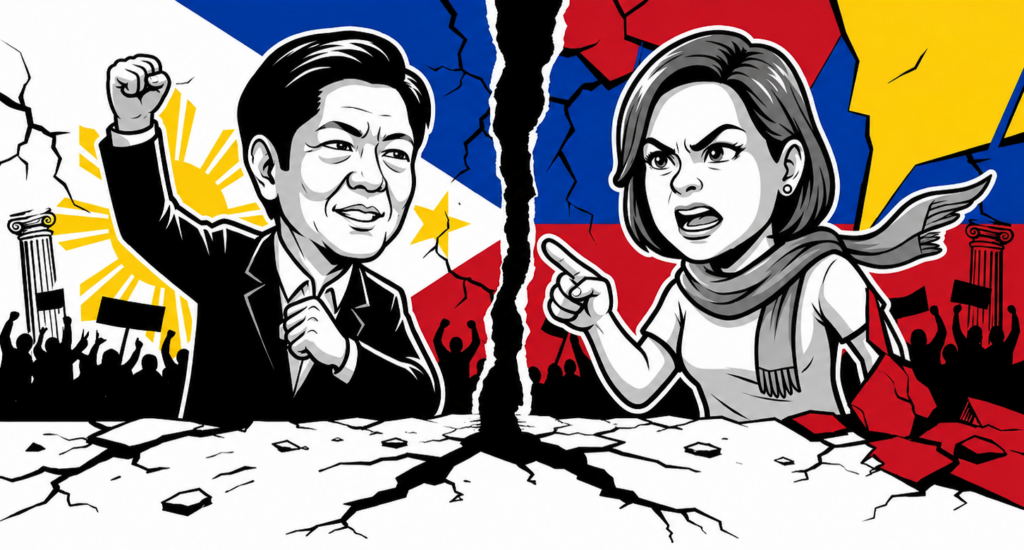
Strategic Assessment Report on Geopolitical Risks in the Philippines As a representative democracy characterized by the most prominent features of Dynastic Politics in Southeast Asia, the Philippines is currently undergoing its most turbulent political upheaval since the end of the Cold War. In the 2022 general election, the “UniTeam”—composed of the Marcos family, representing the […]
The May 2026 China-U.S. Beijing Summit from the Perspective of Dual Political and Economic Cycles

Strategic Trade-offs, Policy Resonance, and Scenario Projections Introduction: Strategic Probing Amidst Intertwined Cycles In May 2026, the heads of state of China and the United States held a highly anticipated summit in Beijing. This meeting was not only a significant interaction amidst the complex evolution of the global geopolitical landscape but also coincided with a […]
Strategic Autonomy and Energy Reshaping: Global Implications and Outlook After the UAE’s OPEC Withdrawal

Executive Summary This report provides an in-depth analysis of the strategic motivations, global implications, and future outlook following the United Arab Emirates’ (UAE) withdrawal from the Organization of the Petroleum Exporting Countries (OPEC) on May 1, 2026. This move by the UAE not only signifies a shift in its foreign policy from a traditional “follower” […]
Vietnam Under Tô Lâm
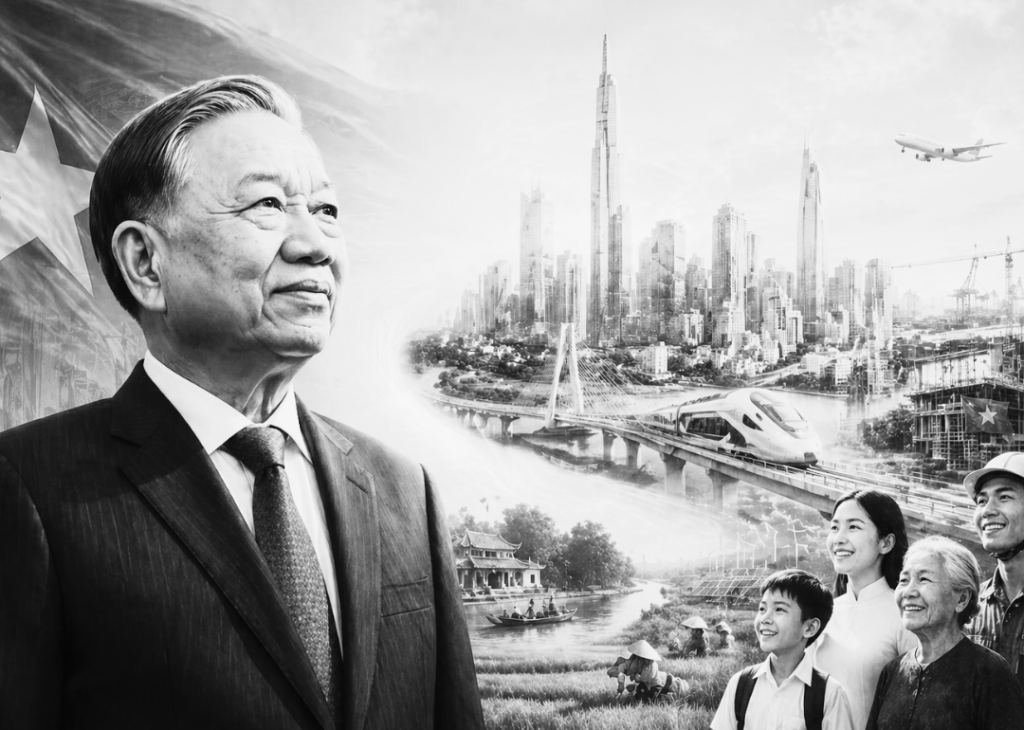
Power Restructuring, Geopolitical Pivots, and the Economic Leap in the “New Era” 1. Executive Summary In 2026, Vietnamese politics entered its most profound transformative period since the 1986 “Doi Moi” (Renovation) reforms. With Tô Lâm’s official re-election as General Secretary of the Communist Party of Vietnam and his concurrent assumption of the Presidency in April 2026, the […]
The Seigniorage of Tokens: AI-EraDigital Sovereignty and Global ComputePower Competition
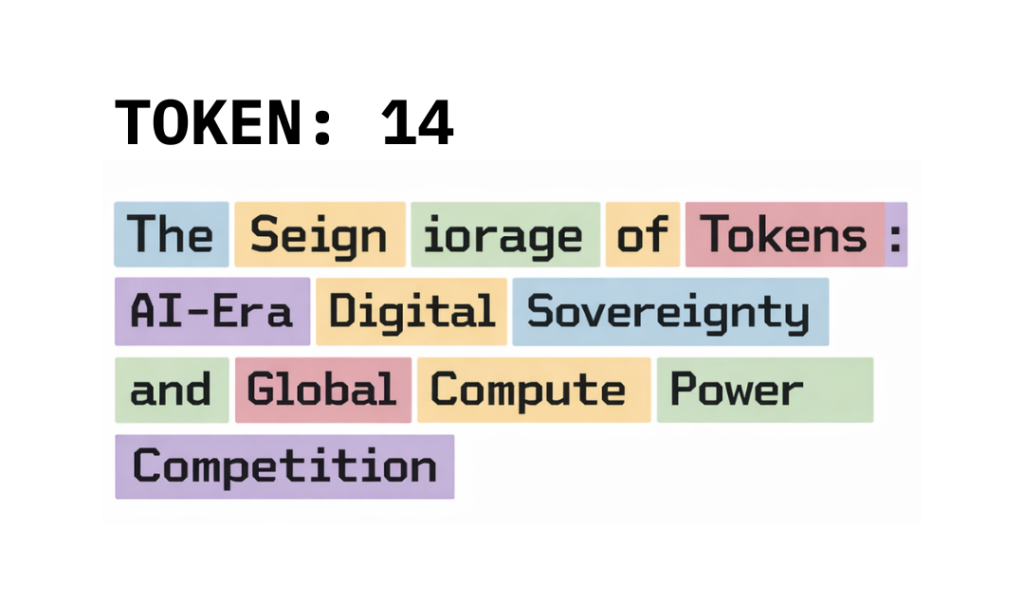
1. Executive Summary In the global economic landscape of 2026, Artificial Intelligence (AI) has evolved from a technical auxiliary tool into a core engine driving growth. This report introduces the core analytical framework of “Token Seigniorage” to reveal the deeper logic of power distribution in the AI era. Tokens (lexical units), as the smallest unit […]
The Vote on the Brink: Assessment of the UNSC Draft Resolution on the Strait of Hormuz and Great Power Games
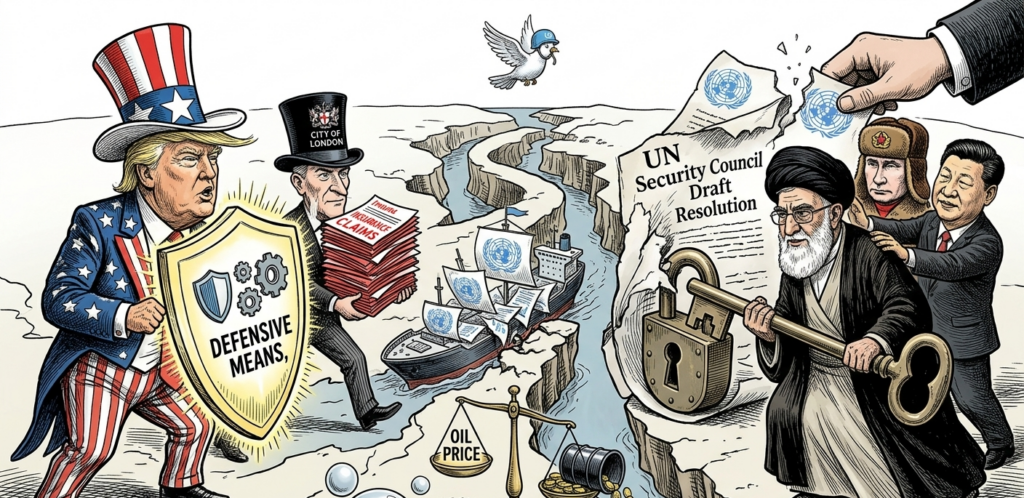
1. Executive Summary This report provides an in-depth analysis and assessment of the United Nations Security Council (UNSC) draft resolution led by Bahrain and strongly pushed by the United States, the United Kingdom, and the Gulf Cooperation Council (GCC) to ensure freedom of navigation in the Strait of Hormuz. The core of this draft lies […]
Iran-Israel-U.S.: The Logic of Attrition and the Geopolitical Endgame
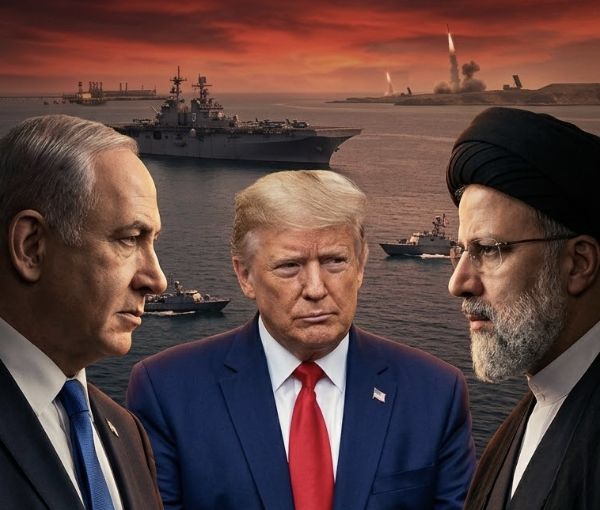
I. Executive Summary The current conflict in the Middle East has progressively evolved from an initial phase of high-intensity “decapitation strikes” into a sustained “war of attrition.” While the joint U.S.-Israeli operation targeting Iran’s Supreme Leader, Ayatollah Ali Khamenei, severely impacted the Iranian regime in the short term, it failed to dismantle its underlying will […]
Iran “Decapitation Strike”
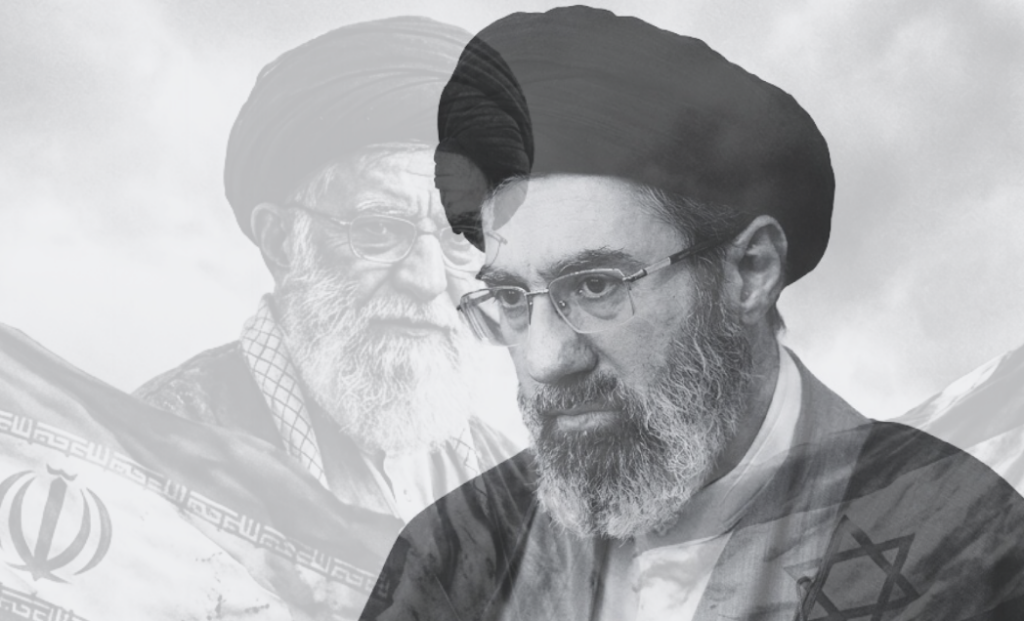
Wartime Governance, Strategic Resilience, and Geopolitical Shocks I. Executive Summary On February 28, 2026, a joint U.S.-Israeli “decapitation strike” resulted in the assassination of Iran’s Supreme Leader, Ayatollah Ali Khamenei. By March 9, 2026, the Assembly of Experts confirmed his son, Mojtaba Khamenei, as the new Supreme Leader. This wartime succession marks an unprecedented phase […]
Kevin Warsh and the Potential Pivot of the Federal Reserve
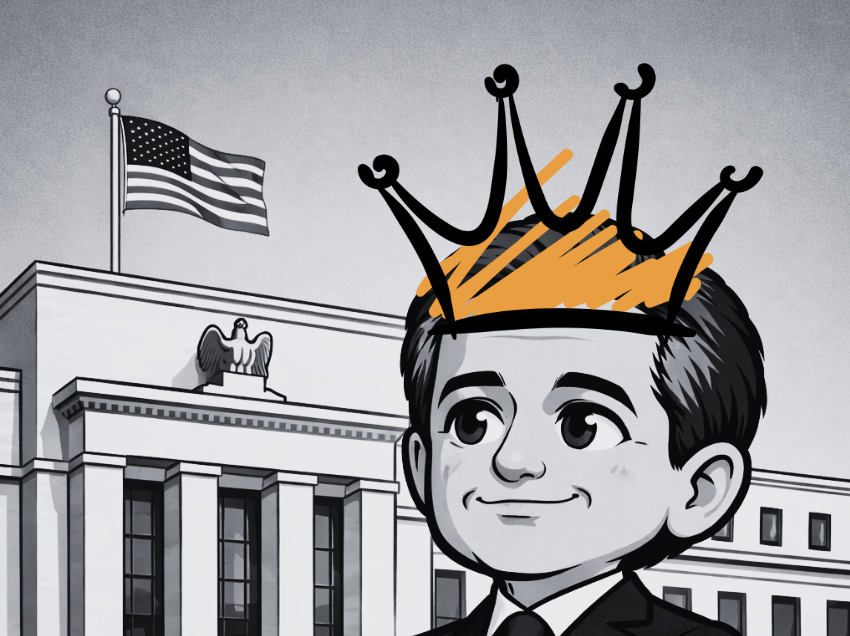
Personal Background, Policy Philosophy, and the Risk of Repoliticizing U.S. Monetary Governance Executive Summary The nomination of Kevin Warsh as Chair of the Federal Reserve represents more than a mere change in personnel; it signals the most significant “institutional pivot” for the Fed since the era of Paul Volcker. As an “insider challenger,” Warsh’s core […]
Breaking Through the Shadow of Tariffs: In-Depth Analysis and Geopolitical Assessment of Prime Minister Carney’s 2026 Visit to China
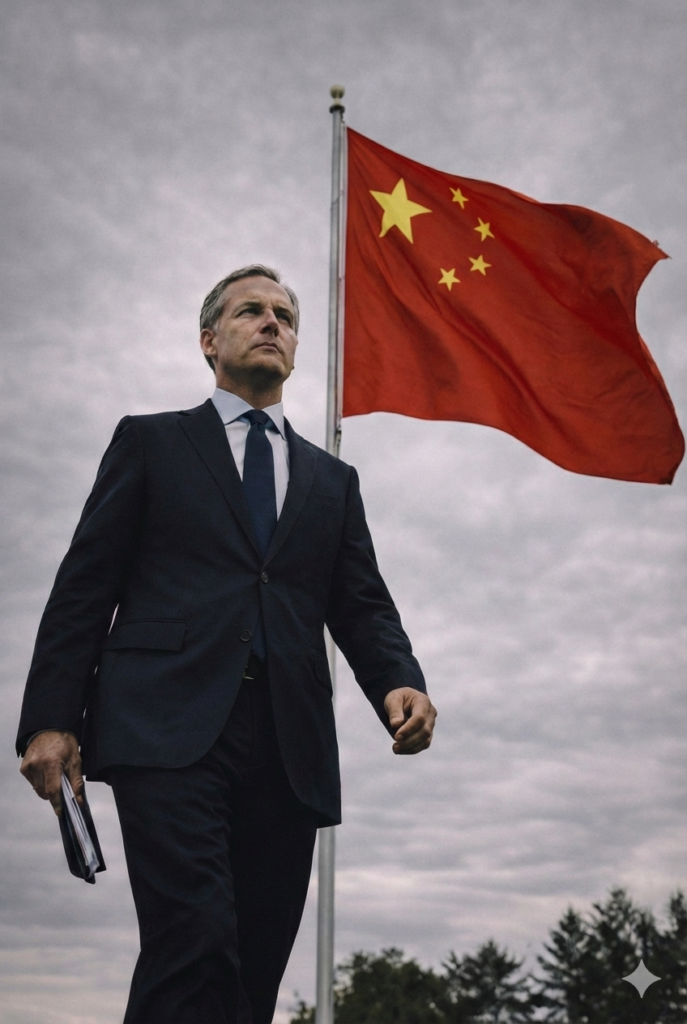
Executive Summary On January 16, 2026, Canadian Prime Minister Mark Carney conducted an official visit to China, marking the first visit by a Canadian leader since 2017. During the summit in Beijing, a series of landmark trade agreements were signed, signaling a strategic thaw in bilateral relations after years of “deep freeze.” This visit represents […]
 Malay
Malay  English