
I. Executive Summary
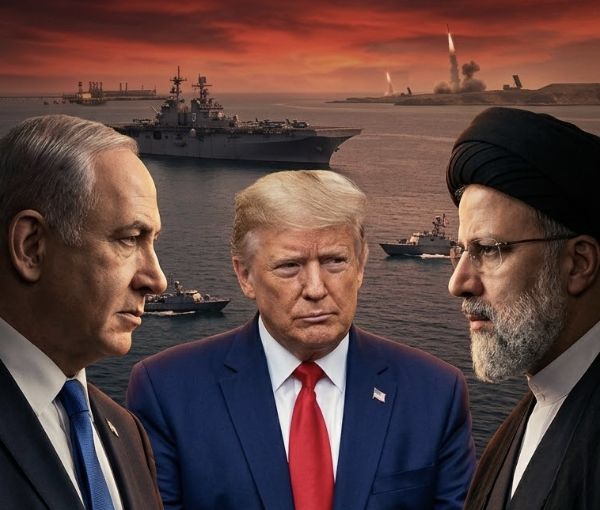
The current conflict in the Middle East has progressively evolved from an initial phase of high-intensity “decapitation strikes” into a sustained “war of attrition.” While the joint U.S.-Israeli operation targeting Iran’s Supreme Leader, Ayatollah Ali Khamenei, severely impacted the Iranian regime in the short term, it failed to dismantle its underlying will to resist. As strike density decreases, the focus of the conflict has shifted toward resource endurance, strategic resilience, and broader geopolitical maneuvering. This report provides an in-depth analysis of the military, economic, and political drivers of this transition, specifically examining the depletion and strategic pivot of Iran’s missile inventory, the blockade strategies in the Strait of Hormuz, and the strategic significance of key islands such as Kharg and Qeshm. Furthermore, it details the timelines for recent U.S. military deployments, including the USS Tripoli amphibious ready group and the relocation of THAAD missile defense systems. The report also dissects the “no-retreat” logic governing the actions of Israel, the United States, and Iran—ranging from Prime Minister Netanyahu’s political survival and the influence of the Israeli lobby on U.S. decision-making to the consolidation of public sentiment under Iran’s theocratic system. Finally, it addresses the paradox of the Trump administration’s troop deployments amidst calls for peace, the impact of surging oil prices on U.S. domestic politics and the upcoming midterm elections, and proposes critical areas for future research.
II. Evolution of Conflict: From High-Intensity Warfare to Attrition
A. Strike Density and Inventory Analysis
During the initial stages of the conflict, the U.S.-Israeli coalition executed high-intensity, precision strikes targeting Iran’s leadership and critical military infrastructure. The Israel Defense Forces (IDF) reported the destruction of over 300 Iranian ballistic missile launchers, representing approximately 60% of Iran’s total inventory. Additionally, the Israeli Air Force dropped over 4,000 munitions on Iranian targets within a short timeframe, matching the intensity of the 12-day conflict in June of the previous year. However, as the war has progressed, the density of these strikes has shown a marked downward trend.
This decline is not attributable to a single factor. On one hand, evidence suggests that Iran’s missile stockpiles are being depleted. According to data from Iran Watch, Iran possessed approximately 1,500 missiles and 200 launchers at the onset of the conflict. While the IDF claims to have neutralized a significant portion of these launchers, Iran’s actual remaining missile reserves and its ongoing production capacity remain strategic unknowns. On the other hand, U.S. and Israeli interceptor stockpiles are also under significant strain. Reports indicate that the U.S. and its Gulf allies faced shortages of critical interceptor munitions early in the war . This “interceptor race” necessitates a more calculated use of limited resources by both sides, contributing to the reduction in strike frequency.
Consequently, the situation has transitioned toward a sustained war of attrition. Both sides appear to be avoiding total escalation, opting instead for limited strikes, proxy engagements, and economic sanctions to weaken the opponent’s resolve and capabilities over the long term. The reduction in strike density likely reflects both inventory pressures and a strategic shift toward a protracted conflict designed to exhaust the adversary’s resources and patience.
B. Definition and Basis of the War of Attrition
In this context, the “war of attrition” is characterized by a strategic model that seeks to gradually degrade the opponent’s military, economic, and political strength through persistent, low-intensity engagements rather than decisive battles. The basis for this shift is evident in several key areas:
1.Long-term Depletion of Military Resources: Both sides continue to commit military assets, but the selection of targets and methods has become increasingly focused on “cost-effectiveness.” Iran utilizes decentralized production and “ghost supply chains” to maintain its weaponry, while the U.S. and Israel must manage the continuous demand for interceptor munitions.
2.Economic Resilience Competition: Iran, having endured decades of sanctions, has developed a relatively independent economic system. The war of attrition tests its ability to withstand economic pressure amidst disrupted energy exports and damaged infrastructure. Simultaneously, the impact of rising global oil prices on U.S. and European economies has become a central component of this attrition.
3.Contest of Political Will: The protracted nature of the conflict tests the political resolve and domestic support of all leaders involved. Netanyahu’s political survival, the pressure of the upcoming midterm elections on the Trump administration, and the degree of public unity under Iran’s theocratic leadership will all dictate the trajectory of the war.
4.Normalization of Proxy Conflicts: Continuous harassment by the “Axis of Resistance”—including Hezbollah in Lebanon, Shiite militias in Iraq, and the Houthis in Yemen —has created multiple regional flashpoints. This disperses U.S. and Israeli military resources and further accelerates the process of attrition.
III. The Strait of Hormuz: Breadth and Depth of the Blockade
A. Current Status and Rules of Engagement
As the world’s most critical chokepoint for oil transit, the strategic importance of the Strait of Hormuz is paramount. Iran has long threatened to close the strait in response to external military action. In the current conflict, Iran’s blockade strategy is not a total military embargo but rather a differentiated and asymmetric approach. By doing so, Iran seeks to divide the international community and avoid a unified global military intervention that a total closure would likely provoke.
Current intelligence suggests that Iran’s blockade efforts primarily target vessels with direct military ties to the U.S. or Israel, or those deemed hostile. This implies that while U.S. and Israeli naval and commercial ships face direct threats, Iran may adopt more flexible policies toward vessels from China, Russia, the EU, and other neutral nations to avoid a broader international escalation. However, even a “selective blockade” is sufficient to exert immense psychological pressure and cause significant disruption to global shipping.
Iran’s ability to enforce this blockade relies on its asymmetric capabilities, including:
•Underground Missile City on Qeshm Island: This island serves as a fortress, housing a vast array of anti-ship missiles capable of effectively covering the strait.
•Naval Mining: The Iranian Navy possesses the capability to deploy sea mines, creating hazardous obstacles in key shipping lanes.
•Fast-Attack Craft (FAC) Harassment: IRGC fast-attack craft utilize high mobility to harass and attack large tankers and warships at close range.
B. International Response and Shipping Costs
The heightened risk in the Strait of Hormuz has triggered a chain reaction in the global shipping industry. Major firms like Maersk have announced the rerouting of vessels around the Cape of Good Hope to mitigate risks. This rerouting significantly increases transit distances, times, and fuel costs—expenses that are ultimately passed on to consumers, further driving global inflation.
International countermeasures to the blockade include:
•Military Escorts: The U.S. Fifth Fleet, stationed in the Persian Gulf, maintains the air and naval power necessary to provide escorts for allied vessels.
•Diplomatic Pressure: Major energy consumers, including the EU and China, are utilizing diplomatic channels to pressure Iran to guarantee freedom of navigation.
•Strategic Petroleum Reserves (SPR): Major economies may tap into their strategic reserves to offset short-term supply disruptions and stabilize oil prices.
IV. Contested Strategic Islands: Kharg and Qeshm
A. Kharg Island: Iran’s Economic Lifeline
Located in the Persian Gulf, Kharg Island is Iran’s primary oil export terminal, handling over 90% of the country’s crude oil exports . It is the “main node” and lifeline of the Iranian economy. The U.S. proposal to deploy ground forces to seize Kharg Island aims to treat the island as “economic collateral,” effectively cutting off Iran’s oil revenue to force the regime into submission.
However, the feasibility of this plan is hindered by significant obstacles:
1.Military Defenses: Kharg Island is heavily fortified with coastal missile systems and a significant IRGC presence. Any landing operation would face intense resistance.
2.”Scorched Earth” Policy: Iran may choose to destroy its own oil facilities before U.S. forces can secure them, rendering the island strategically useless and causing a catastrophic shock to global energy markets.
3.International Legal Controversy: A ground invasion of sovereign territory would provoke severe legal disputes and widespread international condemnation regarding the legitimacy of U.S. actions.
4.Logistical Challenges: Situated in the northern Persian Gulf, Kharg Island is far from major U.S. bases, making a large-scale amphibious operation logistically complex.
B. Qeshm Island: The Strategic Pivot
Qeshm Island is the largest island in the Strait of Hormuz, and its strategic value is defined by:
1.Geographic Location: Situated at the narrowest point of the strait, only 50 kilometers from Oman’s Musandam Peninsula, it is the ideal pivot for controlling maritime traffic.
2.”Underground Missile City”: The island is widely recognized as a fortress housing concealed missile silos and military facilities that pose a severe threat to ships in the strait . The stealthy nature of these facilities makes them difficult to neutralize completely.
3.Naval Bases: Qeshm hosts multiple naval bases that serve as staging areas for Iranian fast-attack craft and submarines used in asymmetric operations.
Does seizing Qeshm Island equate to controlling the Strait of Hormuz? From a military perspective, controlling Qeshm would vastly enhance one’s ability to dominate the strait by providing direct fire coverage and reconnaissance. However, it does not guarantee absolute control. The width of the strait, the threat of sea mines, Iranian coastal missile batteries, and defenses on other islands (such as Abu Musa and the Tunbs) would continue to pose challenges. While Qeshm could serve as a forward base for U.S. operations, achieving total control would require immense cost and face persistent resistance.
V. U.S. Military Deployment Dynamics and Timelines
A. Naval Power: USS Tripoli (LHA-7)
The amphibious assault ship USS Tripoli (LHA-7), carrying the 31st Marine Expeditionary Unit (31st MEU), transited the Malacca Strait on March 16, 2026, en route to the Middle East . Based on its current speed and heading, the USS Tripoli is expected to arrive in the vicinity of the Strait of Hormuz by late March (approximately March 25-28). This deployment will significantly bolster U.S. amphibious, aviation support, and power projection capabilities in the region, providing critical support for potential ground operations.
B. Land-Based Defense: THAAD Relocation
The United States has begun relocating portions of its Terminal High Altitude Area Defense (THAAD) systems from South Korea to the Middle East . This move is intended to strengthen regional defenses against Iranian ballistic missiles, particularly to replace radar facilities damaged in previous Iranian strikes .
Current information suggests these THAAD systems will be stationed at:
•Muwaffaq Salti Air Base, Jordan: A site where a THAAD radar was previously damaged by Iranian fire .
•Prince Sultan Air Base, Saudi Arabia: A major U.S. hub in the Middle East with an established air defense infrastructure .
•Nevatim Air Base, Israel: Located in the southern region of the country.
Regarding the assembly and operational timeline, the deployment and integration of a THAAD battery typically require several days. Given the strategic urgency and U.S. rapid deployment capabilities, it is estimated that the systems will take 4 to 7 days to become fully operational after arrival. Therefore, these THAAD systems are expected to be formally integrated into the joint U.S.-Israeli air defense network and achieve initial operational capability around March 22, providing a critical shield against further Iranian missile attacks.
VI. The “No-Retreat” Logic of the Three Parties
A. Israel: Strategic Window and Netanyahu’s Dilemma
Israel’s hardline stance is driven by two primary factors:
1.”Decapitation Dividend” and Strategic Window: Israel perceives the period following the assassinations of Ayatollah Khamenei and Ali Larijani as a time of power vacuum and internal instability within Iran . This is viewed as the optimal strategic window to dismantle Iran’s nuclear program and weaken the “Axis of Resistance.” Israeli leadership likely believes that failing to act decisively now will result in far greater threats in the future.
2.Netanyahu’s Political Survival: Prime Minister Benjamin Netanyahu has long faced domestic corruption charges and political crises. The state of war has partially diverted domestic attention and allowed him to maintain power as a “wartime leader.” Once the war ends, he will likely face legal trials and political reckoning . Thus, for Netanyahu, maintaining some form of conflict, or even escalating it, may be a necessity for his political survival.
B. The United States: An “Entrapped” Superpower
U.S. involvement in this conflict is not entirely voluntary but is driven by multiple factors that make withdrawal difficult:
1.Influence of the Israeli Lobby: Former National Counterterrorism Center Director Joe Kent stated in his resignation letter that the U.S. was drawn into the war with Iran “due to pressure from Israel and its powerful American lobby” . He argued that the lobby used the media and decision-making circles to spread misinformation about an “imminent threat” from Iran, successfully drawing the U.S. into a war that does not serve its national interests . Kent’s perspective highlights the significant influence external interest groups can exert on U.S. policy.
2.Geopolitical Credibility and Allied Commitments: The U.S. has numerous allies in the Middle East, including Saudi Arabia and the UAE. Any perceived weakness or inaction when Israel is under attack would severely damage U.S. credibility as a regional security guarantor, potentially driving allies to seek protection from other global powers. This need to maintain geopolitical credibility forces U.S. intervention, even if reluctant.
3.Nuclear Non-Proliferation: The continued progress of Iran’s nuclear program remains a core U.S. concern. While the “decapitation strikes” aimed to degrade Iran’s nuclear capabilities, any acceleration of weaponization under extreme pressure would pose a grave threat to the global non-proliferation regime. The U.S. likely views intervention as a necessary means to prevent Iran from acquiring nuclear weapons.
C. Iran: A Theocratic State’s Battle for Survival
Iran also faces a “no-retreat” scenario for profound reasons:
1.Legitimacy of the Theocratic System and Public Unity: The targeting of the Supreme Leader is a direct challenge to the core of Iran’s theocratic system. Through the propaganda of the IRGC and religious institutions, these external strikes have ignited intense nationalism and religious sentiment, creating a unified “wartime front.” The regime can leverage this sentiment to consolidate internal unity and divert attention from domestic issues .
2.Leadership of the “Axis of Resistance”: As the leader of a regional proxy network, Iran must demonstrate strength and retaliatory capability to maintain its influence. Any sign of weakness could lead to the collapse of the “Axis of Resistance,” thereby stripping Iran of its strategic depth.
3.Survival Under Economic Sanctions: Long-standing international sanctions have already strained Iran’s economy. Under the dual pressure of military strikes and economic blockades, Iran has no room for retreat. The regime must resist to secure its survival, or face the risk of economic collapse and internal upheaval.
VII. Trump’s Paradox and Domestic Politics
A. The Logic Behind Contradictory Actions
President Trump’s handling of the Middle East conflict exhibits a clear contradiction: while claiming he wants to “end the war soon,” he continues to deploy significant forces to the region, including the USS Tripoli and THAAD systems . This paradox reflects complex political and strategic calculations:
1.”Peace Through Strength” Strategy: The Trump administration likely believes that demonstrating overwhelming military force and increasing deployments provides leverage to pressure Iran into concessions at the negotiating table. This strategy aims to use military deterrence to accelerate the end of the conflict rather than becoming mired in a long-term war.
2.Influence of the Military-Industrial Complex and Lobbies: Despite Trump’s rhetoric about ending “endless wars,” the powerful U.S. military-industrial complex and pro-Israel lobbies may exert profound influence on his decisions. The interests of these groups are often tied to continued conflict or increased military spending, potentially pushing the administration toward actions that contradict the President’s public statements .
3.Domestic Political Pressure: In the current climate, any perceived weakness toward Iran could invite criticism from domestic conservatives and hawks. To maintain his image as a “strong president,” Trump may feel compelled to take military action, even if it conflicts with his promises to end the war.
B. Rising Oil Prices and Midterm Election Impact
The conflict has caused global oil prices to surge, with Brent crude exceeding $72/barrel and European gas prices rising by 24% . This has directly increased transportation and production costs, fueling inflationary pressure in the U.S. and globally. For the upcoming midterm elections, these economic factors pose a severe threat to the Trump administration:
1.Voter Dissatisfaction: High fuel prices directly impact the daily cost of living, potentially leading to voter dissatisfaction with the administration’s economic policies and reducing support for the incumbent party.
2.Risk of Economic Recession: Persistent inflation and rising energy costs could lead to “stagflation” or even a recession, posing a major challenge to the administration’s economic record.
3.Media and Opposition Pressure: The media and opposition parties will likely use rising oil prices and inflation to attack the administration, blaming its Middle East policies for domestic economic hardships.
Beyond the influence of the Israeli lobby, other factors compelling U.S. involvement include:
1.Energy Security: Ensuring the Strait of Hormuz remains open is a shared interest of the U.S. and its allies. A total blockade would have a catastrophic impact on the global economy, necessitating U.S. intervention.
2.Regional Stability: Instability in the Middle East can spread globally, triggering terrorism and refugee crises. As a global power, the U.S. feels a responsibility to maintain regional stability and prevent the conflict from spiraling out of control.
3.Nuclear Non-Proliferation: Preventing Iran from obtaining nuclear weapons is a core U.S. strategic goal. If Iran accelerates its nuclear development during the conflict, the U.S. may feel forced to take even stronger measures, including direct military intervention.
VIII. Conclusion and Future Outlook
The conflict between Iran, Israel, and the United States has entered a complex “war of attrition.” The logic of this phase is to achieve strategic goals through sustained military, economic, and political pressure rather than a quick victory. All three parties are constrained by their own political survival, geopolitical strategies, and domestic pressures, making a near-term resolution unlikely.
The future evolution of the conflict may follow several scenarios:
•Long-term Low-Intensity Confrontation: The conflict may persist as a low-intensity war of attrition, with parties using proxies, cyberattacks, and limited strikes to exert pressure while avoiding total war.
•Localized Escalation: Conflict may escalate at critical nodes, such as the Strait of Hormuz or contested islands, though parties will likely attempt to contain the scale to avoid a total breakdown.
•Diplomatic Mediation and Negotiation: As the war of attrition continues, the mounting economic and political costs may eventually create an opening for diplomatic mediation, with major powers like China and Russia potentially playing a role.


 English
  Malay
Malay