
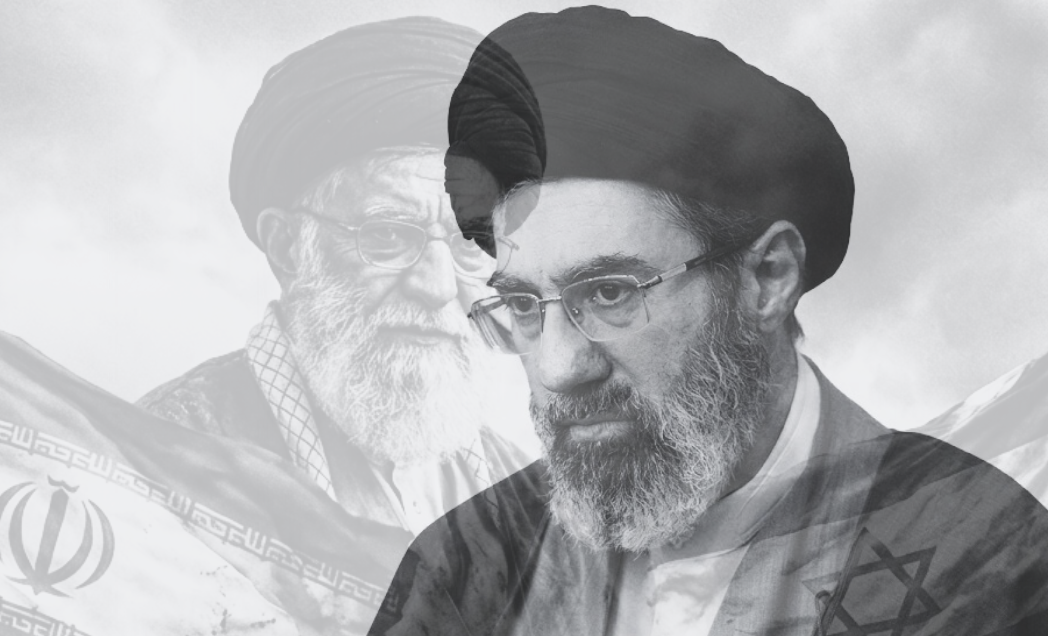
Wartime Governance, Strategic Resilience, and Geopolitical Shocks
I. Executive Summary
On February 28, 2026, a joint U.S.-Israeli “decapitation strike” resulted in the assassination of Iran’s Supreme Leader, Ayatollah Ali Khamenei. By March 9, 2026, the Assembly of Experts confirmed his son, Mojtaba Khamenei, as the new Supreme Leader. This wartime succession marks an unprecedented phase of volatility in Middle Eastern geopolitics, posing severe challenges to Iran’s wartime governance, strategic resilience, and its standing in the global energy and monetary order. This report analyzes the operation’s background, Iran’s internal power restructuring, the legitimacy of the new leadership, and its strategic reserves and industrial capacity for a protracted conflict. It further evaluates the risks of a blockade in the Strait of Hormuz, global economic impacts, and the ensuing great-power competition. The report emphasizes that while the Iranian regime has suffered a significant blow, the resilience of its internal governance and the “Axis of Resistance” remains formidable, with long-term implications for global energy and food markets.
II. Background Analysis: Strategic Surprise and Geopolitical Reshaping
A. Context and Triggers of the “Decapitation Strike”
The strike against Supreme Leader Khamenei was not an isolated event but an escalation of long-standing U.S. strategic pressure. It is closely linked to the collapse of the Iran nuclear deal (JCPOA), Iran’s continued progress toward weaponization thresholds, and escalating regional tensions. Since the U.S. withdrawal in 2018, the JCPOA has existed in name only, with Iran’s nuclear activities triggering high alerts in Washington and Tel Aviv. The implementation of the U.S. “2026 Action Plan” aimed to force behavioral changes or regime change through multidimensional pressure, including economic sanctions, cyberattacks, and limited military actions. This decapitation strike represents the extreme manifestation of that plan, intended to create a power vacuum and internal chaos to dismantle Iran’s will to resist.
Compared to the earlier 2026 operation to capture Venezuelan President Maduro, this strike represents a significant escalation in target selection and scale. While the Maduro operation targeted a leader viewed as illegitimate by the U.S., it did not directly strike at the core of national sovereignty. In contrast, targeting Khamenei—the ultimate symbol and decision-maker of Iran’s theocratic system—challenges the state’s very legitimacy and stability. This act may be perceived as “unrestricted warfare” against a sovereign head of state, carrying far-reaching international legal controversies and geopolitical consequences.
B. U.S.-Israeli Roles and Operational Synergy
The operation resulted from long-term intelligence sharing and military coordination between the U.S. and Israel. According to available data, the U.S. played the lead role under “Operation Epic Fury,” handling intelligence, strategic planning, long-range strikes, and the suppression of Iranian air defenses. Leveraging advanced reconnaissance satellites, UAV technology, and cyber capabilities, the U.S. provided critical technical support. Israel executed “Operation Lion’s Roar,” likely involving special forces infiltration, precision strikes, and surgical aerial attacks on nuclear facilities and missile bases.
Synergy was evident across multiple levels: precise tracking of Khamenei’s movements via shared intelligence; rapid deployment and coordination of regional military assets to bypass Iranian defenses; and synchronized post-operation diplomatic and legal narratives. However, the legal basis remains highly contested. Under international law, a decapitation strike against a head of state is typically viewed as an act of war and a violation of sovereignty. While the U.S. and Israel may cite “self-defense” or “counter-terrorism,” the operation’s legitimacy faces widespread international scrutiny.
III. Iran’s Wartime Governance and Power Restructuring
A. The New Supreme Leader: Mojtaba Khamenei’s Succession and Legitimacy
On March 9, 2026, the Assembly of Experts swiftly confirmed Mojtaba Khamenei as the successor to his father. This succession, occurring under extreme wartime conditions, faces significant legitimacy hurdles.
Per the Iranian Constitution, the successor should be elected by the Assembly. However, due to the chaos and external threats following the assassination, a formal plenary session was impossible; the decision was reached through informal or remote consensus. Members indicated the choice followed the late leader’s counsel: that a successor should be “hated by the enemy” rather than praised. This criterion emphasizes a hardline, anti-Western stance to forge internal unity.
While procedurally controversial, Mojtaba’s legitimacy rests on his control over the Islamic Revolutionary Guard Corps (IRGC) and the necessity of continuity. His long-standing ties with IRGC leadership and hardline reputation consolidate conservative control over the state apparatus. Nevertheless, this “hereditary” transition may fuel resentment among reformists and the public, posing long-term stability risks. Furthermore, President Trump’s previous dismissal of Mojtaba as “unacceptable” and Israeli threats against Assembly members involved in the selection further challenge his international standing.
B. The Interim Leadership Council and Power Transfer
With Mojtaba’s formal succession, the Interim Leadership Council—established under Article 111 and comprising President Masoud Pezeshkian, Chief Justice Gholam-Hossein Mohseni-Ejei, and Ayatollah Ali Reza Arafi—will see its role fundamentally shift. Originally tasked with maintaining state functions during the vacancy, its temporary mission is now complete, with power centralizing under the new Supreme Leader.
In a wartime context, council members will likely retain influential roles in administration and the judiciary. President Pezeshkian continues to manage daily government operations, while Chief Justice Ejei maintains control over the legal system. Their experience is vital for stabilizing the political landscape and integrating resources, though their roles have shifted from core decision-making to executive implementation under the Supreme Leader’s final authority.
C. Integration of Surviving Leadership and Core Forces
The Iranian regime is not paralyzed. Key figures remain to manage core state functions. Ali Larijani, Secretary of the Supreme National Security Council and a seasoned diplomat, remains a pivotal advisor for nuclear negotiations and foreign relations, providing strategic continuity.
The IRGC, Iran’s most potent military and economic force, retains high resilience despite the loss of its Commander-in-Chief. Its organizational structure, including the Quds Force and Basij militia, along with its vast economic network, allows for rapid mobilization and logistics. Intelligence and religious institutions continue to play critical roles in maintaining internal stability and ideological cohesion. The ability of these surviving forces to integrate will determine Iran’s wartime resolve and efficiency.
D. Internal Dynamics: Roles of Conservatives, Reformists, and the IRGC
While Mojtaba’s succession fills the power vacuum, it may exacerbate long-term friction between internal factions.
•Conservatives: As the primary backers of the new leader, they advocate for regime stability, leveraging nationalism and religion to unify the public. They seek to dominate the Assembly and government to ensure the transition serves their interests.
•Reformists: Traditionally advocates for political and economic opening, their voices are currently marginalized. However, should the war effort falter or internal tensions rise, they may seek to leverage the crisis for change or engage with external actors.
•IRGC: Acting as the “Shield of the State” and its “Economic Lifeline,” the IRGC is the de facto supreme executive power. It manages internal order, military command, and resource allocation. Internal unity and loyalty to the new leader are paramount; any fracture within the IRGC would be fatal to the regime.
IV. Assessment of Iran’s Strategic Resilience and Protracted Warfare Capability
A. Strategic Reserves and Industrial Capacity
Iran has developed a relatively independent system of strategic reserves and industrial production to withstand external shocks.
•Food Security: While largely self-sufficient, Iran relies on imports for commodities like wheat and corn. Emergency granaries established after the 2025 drought can sustain core cities for 3-6 months. The government will likely implement rationing and price controls to prevent social unrest.
•Energy Reserves: Despite sanctions, domestic energy supply remains sufficient. Iran will prioritize internal needs, utilizing underground facilities and decentralized production. However, U.S.-Israeli strikes on refineries and pipelines could degrade distribution capabilities.
•Munitions and Weaponry: Iran’s domestic defense industry can produce ammunition, missiles, and UAVs. Recent strikes targeted missile bases in Khorramabad, Tehran, Zanjan, and Yazd, as well as UAV facilities in Qom and Tehran. CENTCOM Commander Admiral Brad Cooper noted a 90% reduction in Iran’s ballistic missile capability, with only 100-200 launchers remaining. Nevertheless, underground factories provide resilience. A key factor is the “Ghost Supply Chain”—Iran’s 2025 transition to using civilian-grade high-end FPGA and MCU chips for precision weapons. These are easily procured through civilian channels (appliances, automotive) in Turkey and Southeast Asia, bypassing military bans.
•Infrastructure Resilience: Critical infrastructure (power, water, communications) has been hardened against attacks (e.g., Stuxnet). Emergency repair protocols are in place to maintain functionality during protracted conflict.
B. Military Deployment and Counter-Strike Strategies
Iran’s military—comprising the IRGC, regular army, and Basij—will execute multi-layered counter-strategies.
•Command and Coordination: Despite the loss of the IRGC chief, Deputy Commander Ahmad Vahidi is a likely successor, ensuring command stability
•Retaliatory Strikes: Iran has already targeted U.S. bases, Israel, and sites in Qatar, the UAE, Kuwait, Bahrain, and Saudi Arabia [22]. These involve ballistic and cruise missiles, UAVs, and proxy forces. While preemptive strikes have degraded Iran’s capabilities, the scale of retaliation remains a concern.
•Targeting Civilian Assets in Sunni States: Attacks on civilian targets (e.g., hotels) in neighboring Sunni nations serve as “deterrent retaliation.” The goal is to pressure these states to cease cooperation with the U.S. and Israel or deny them the use of airbases, thereby raising the cost of conflict and forcing regional neutrality.
C. Operational Synergy of the “Axis of Resistance”
Iran’s proxy network—including Hezbollah, Iraqi Shiite militias, and the Houthis—serves as a critical tool for regional counter-strikes.
•Mobilization and Support: These groups can threaten U.S. and Israeli interests across the region. Iran coordinates these efforts through the provision of weaponry, funding, and intelligence.
•High-Risk Conflict Zones: The Lebanon-Israel border, Iraq, Syria, and Yemen are primary flashpoints. Hezbollah may launch massive rocket barrages; Iraqi militias may target U.S. bases; and the Houthis continue to threaten Red Sea shipping. Escalation in these areas will further destabilize the Middle East.
V. The Strait of Hormuz, Global Energy, and Economic Impacts
A. Blockade Risks and International Response
The Strait of Hormuz is the world’s most vital oil chokepoint, with 21 million barrels (21% of global supply) passing through daily.
•Capability and Intent: While its conventional navy is limited, Iran can disrupt shipping via mining, missile strikes, UAVs, and fast-attack craft. However, a total blockade would trigger a massive international backlash and direct military intervention.
•International Countermeasures: The U.S. Fifth Fleet is positioned to respond rapidly. Major consumers like the EU and China are monitoring the situation closely and may coordinate diplomatic, economic, or even joint military actions to ensure energy security.
B. Shocks to Global Oil Prices and Energy Markets
Following the strike, Brent crude surged to $72/barrel, and European gas prices rose by 24%.
•Extreme Price Scenarios: A full blockade could push oil prices past $100 or even $150/barrel, triggering global inflationary pressure and stalling economic growth. Even without a blockade, a persistent “risk premium” will remain.
•Macroeconomic Impact: Surging energy costs will drive up transportation and production expenses, risking “stagflation” in major economies and disrupting global supply chains.
C. Impact on Other Industries and Risk Assessment
•Shipping and Insurance: Increased risks in the Strait will spike shipping and insurance costs. Major firms like Maersk have already begun rerouting via the Cape of Good Hope.
•Global Trade: Rising costs will alter trade structures, particularly for Asian and European nations dependent on Middle Eastern energy.
•Aviation: Regional conflict leads to flight restrictions and rerouting, increasing operational costs and travel times.
•Food Security: The Middle East’s high dependence on food imports, coupled with rising transport and energy costs, could trigger a regional food crisis and threaten global food security.
VI. International Reactions and Great-Power Competition
A. Responses from International Organizations
The international community is deeply divided.
•Condemnation and Restraint: The UN Secretary-General and the EU’s High Representative have condemned the strike, calling for maximum restraint to avoid escalation.
•Sanctions and Humanitarian Concerns: While the UN Security Council may meet, great-power deadlock prevents a unified resolution. The EU may consider new sanctions while focusing on mitigating a potential humanitarian crisis.
•Legal Debates: The operation’s legality will be a focal point of intense debate, potentially reshaping future norms regarding decapitation strikes and national sovereignty.
B. Positions of China and Russia
As strategic partners of Iran and permanent UNSC members, their roles are critical.
•Strategic Adjustments: Both nations have strongly condemned the strike as a violation of international law. They are likely to block adverse UNSC resolutions and may increase military and economic cooperation with Tehran to counter U.S.-Israeli pressure.
•Potential Support: China, as Iran’s largest oil buyer, provides a vital economic lifeline. Both may offer technical and diplomatic support to help Iran navigate the crisis.
C. U.S. Domestic Political Implications
•Trump Administration: The administration may frame the strike as a victory for “Peace through Strength” and “America First,” boosting domestic approval. However, an uncontrolled regional war or economic crisis poses significant political risks.
•Domestic Sentiment: Congress will likely debate the operation’s legality. Support from the media and public will depend on the conflict’s progression, casualty rates, and economic fallou.
VII. Policy Recommendations and Future Outlook
A. Recommendations for the U.S. and Allies
1.Stabilize the Region: Establish crisis communication channels with Iran to define operational boundaries and prevent miscalculation. Coordinate with regional allies to ensure their security.
2.Support Internal Transition: Complement military actions with support for Iranian reformists and civil society. Utilize technologies like Starlink to maintain communication between the Iranian public and the outside world.
3.Manage Energy Risks: Coordinate with OPEC+ to increase production and stabilize supply. Synchronize strategic petroleum reserves with major consumers to mitigate blockade risks.
B. Recommendations for the International Community
1.Uphold International Law: The UN and EU should lead efforts to resolve disputes diplomatically and establish monitoring mechanisms to prevent humanitarian disasters.
2.Address Humanitarian Needs: Prepare to provide food, medicine, and medical equipment to mitigate the conflict’s impact on civilians.
C. Future Outlook
•Geopolitical Evolution: The strike will profoundly reshape the Middle East, leading to new alliances and a potential long-term period of instability for Iran.
•Energy Order Restructuring: Risks in the Strait of Hormuz will accelerate global energy diversification and supply chain decoupling from the Middle East, with increased focus on renewables and nuclear energy.
•Post-War Challenges: Regardless of the outcome, post-war Iran will face immense reconstruction challenges. The international community must remain vigilant regarding the geopolitical implications of such aid.
 English
  Malay
Malay