
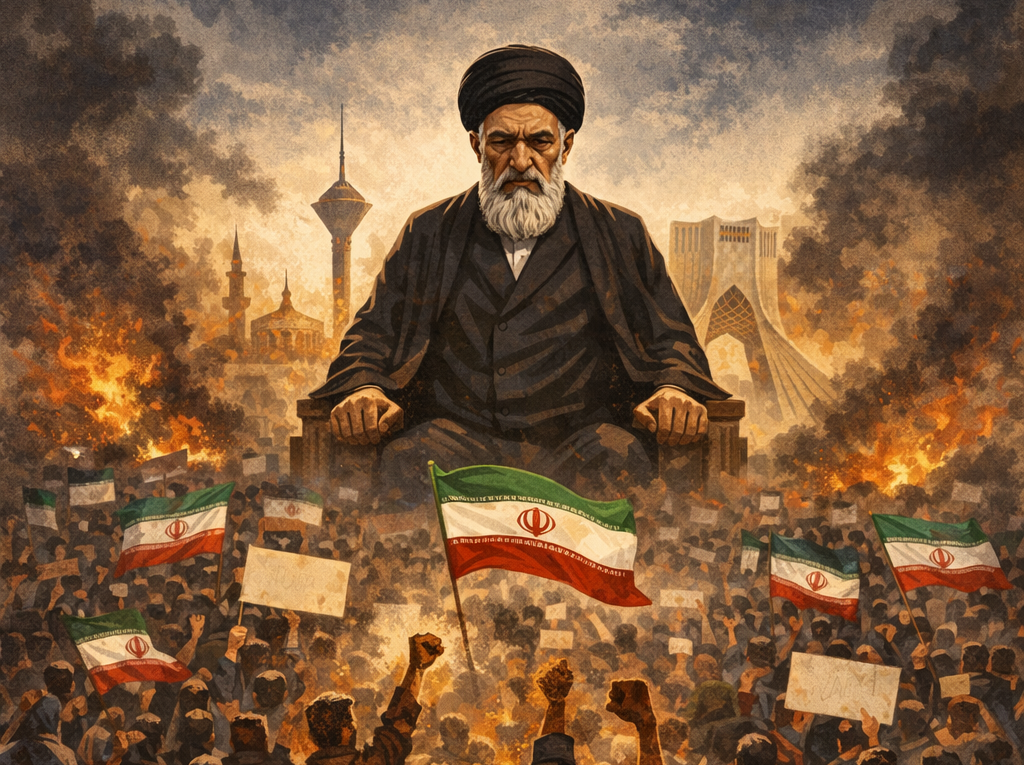
TEHRAN, Iran – January 6, 2026 – A new wave of mass protests, initially sparked by a deepening economic crisis, has rapidly escalated into a nationwide political challenge to the Islamic Republic, marking the most significant unrest since the 2022 Mahsa Amini movement. The protests, which began in late December 2025, have spread across the country, with demonstrators voicing demands that extend far beyond economic relief to include fundamental political change.
Scale and Scope of the Unrest
The current wave of demonstrations is characterized by its broad geographic reach and the diversity of its participants. According to data compiled by human rights groups, protests and street gatherings have been recorded in at least 174 locations across Iran within the first week, indicating that the unrest has successfully moved beyond major urban centers into smaller cities and surrounding areas.
- Geographic Spread: The protests, initially concentrated among shopkeepers and merchants in Tehran’s Grand Bazaar, quickly spread to at least 60 cities across 25 provinces, major cities including Isfahan, Shiraz, Mashhad, Ahvaz, Arak, and Qom.
- Participants: While the movement is decentralized, it involves a broad cross-section of Iranian society, including bazaar merchants, university students (with at least 18 student gatherings reported at 15 universities), and working-class citizens.
- Security Response: The intensified security crackdown has resulted in a minimum of 582 arrests and at least 15 confirmed fatalities during the first seven days of the unrest.
Root Causes: From Economic Grievance to Systemic Challenge
The immediate trigger for the unrest is a severe economic crisis, but the protestors’ demands reflect deep-seated systemic grievances against the clerical establishment.
| Category | Specific Causes and Data | Political Implication |
| Economic Crisis | Inflation: Surged to 48.6% in October 2025. Currency Collapse: The Iranian rial plummeted to a record low of nearly 1.4 million rial per US dollar, severely straining household budgets and leading to soaring prices. | The government’s inability to manage the economy and protect the livelihoods of its citizens. |
| Systemic Grievances | Political Corruption and Authoritarianism are cited as the root causes of the economic mismanagement. Protestors are increasingly critical of the regime’s spending on regional proxies (e.g., in Gaza and Lebanon) while the domestic economy collapses. | Direct challenge to the foundations of the Islamic theocracy and its foreign policy priorities. |
Protestors’ Demands: Calls for Regime Overthrow
The nature of the slogans chanted by the protestors clearly indicates a shift from mere economic protest to outright calls for regime change. The movement has adopted highly political and anti-establishment rhetoric.
Key Slogans Reflecting Political Demands:
- “Death to the Dictator”: A direct challenge to the Supreme Leader, Ayatollah Ali Khamenei, and the clerical power structure.
- “Neither Gaza nor Lebanon, My Life for Iran”: A powerful rejection of the regime’s costly regional foreign policy and a demand to prioritize domestic welfare.
- “This is the final battle, Pahlavi will return”: Reflecting monarchist aspirations and a desire for a complete overthrow of the Islamic Republic.
The protests have exposed a system struggling to contain widespread public anger, with experts suggesting that the regime’s traditional promises of reform are losing credibility. The sustained nature and geographic breadth of the demonstrations pose a significant and escalating threat to the stability of the Islamic Republic.
In response, Iranian authorities have condemned elements of the protests as “rioters,” with judiciary officials pledging “no leniency” toward perceived disorder, even as some government representatives acknowledge the legitimacy of economic concerns. President Masoud Pezeshkian’s administration has signalled efforts to address economic pain points, including appointing a new central bank governor and proposing fiscal adjustments, but these measures have yet to quell public anger.
 English
  Malay
Malay